
Collection: Serums & Oils
A good serum is where your skincare routine really starts working hard. Lightweight, concentrated and packed with active ingredients, face serums target specific concerns, from dullness and dark spots to fine lines, breakouts and dehydration.
Our edit has something for every skin type and budget, from The Ordinary's cult-favourite actives and Paula's Choice' expert formulas to SkinCeuticals' iconic antioxidant serums and treats from Zelens, Alpha-H and OSKIA. Plus nourishing face oils from the likes of Trilogy for when your skin needs a little extra love. Not sure where to start? Scroll down for our serum cheat sheet.
-
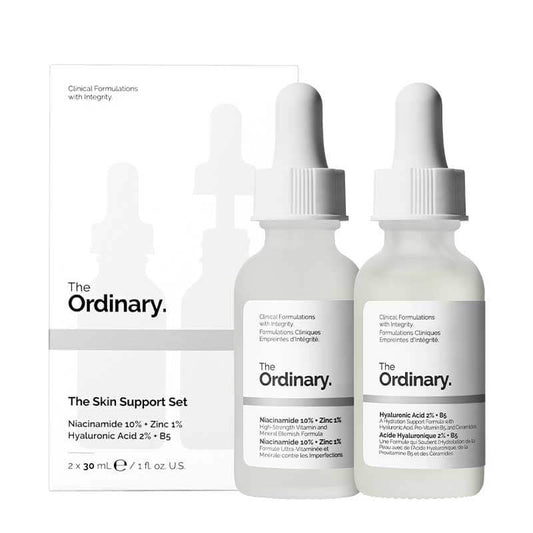
The Ordinary The Skin Support Set
Regular price QAR 50,41Regular priceUnit price per -
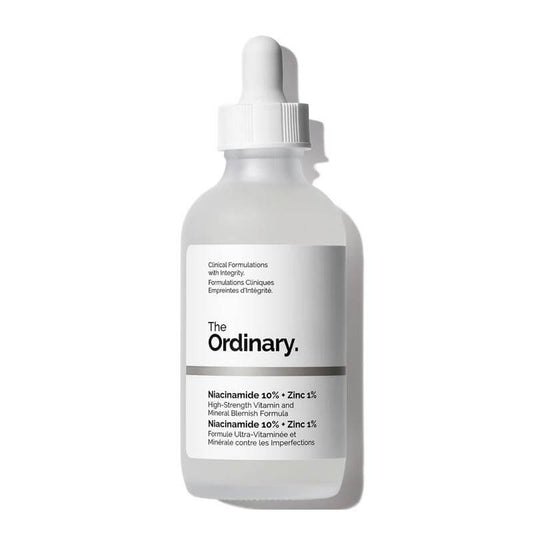
The Ordinary Niacinamide 10% + Zinc 1% Serum
Regular price From QAR 23,20Regular priceUnit price per -

 SAVE 20% New
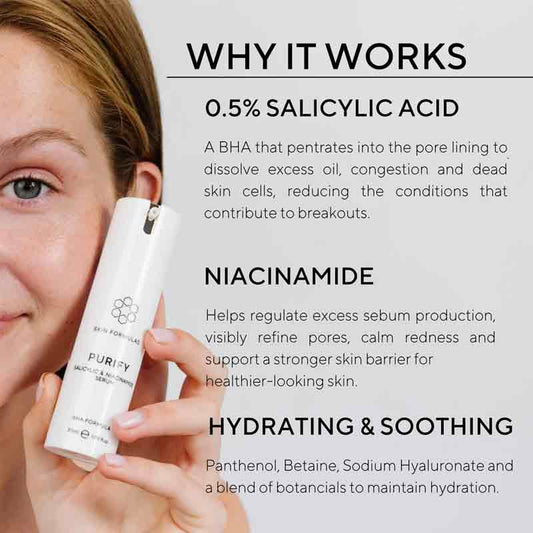
Skin Formulas Purify Salicylic & Niacinamide Serum
Regular price QAR 151,85Regular priceUnit price perQAR 189,81Sale price QAR 151,85Sale -
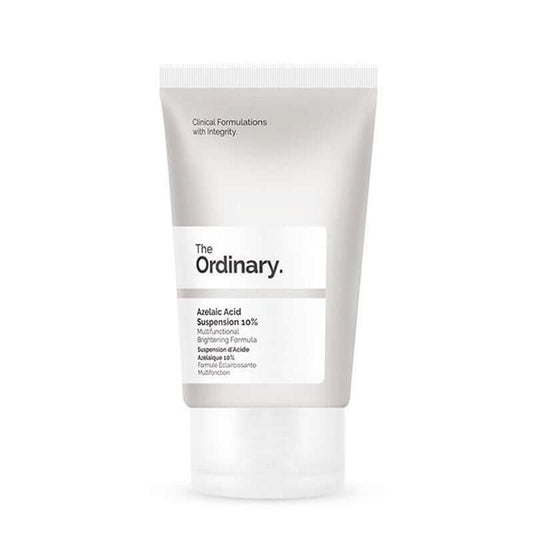
The Ordinary Azelaic Acid Suspension 10%
Regular price QAR 56,94Regular priceUnit price per -
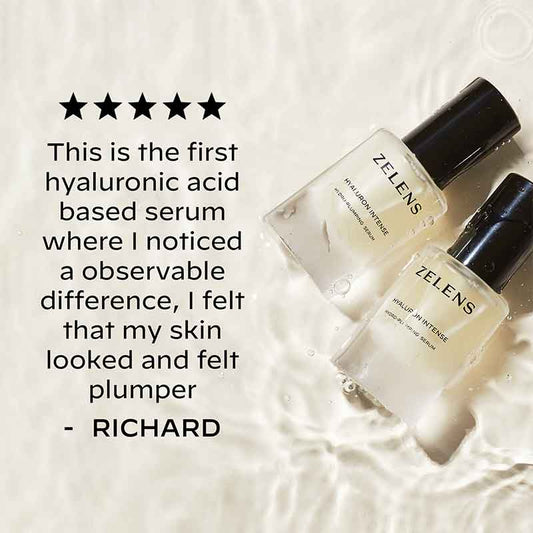
Zelens Hyaluron Intense Hydro-Plumping Serum
Regular price From QAR 121,48Regular priceUnit price perQAR 151,85Sale price From QAR 121,48Sale -
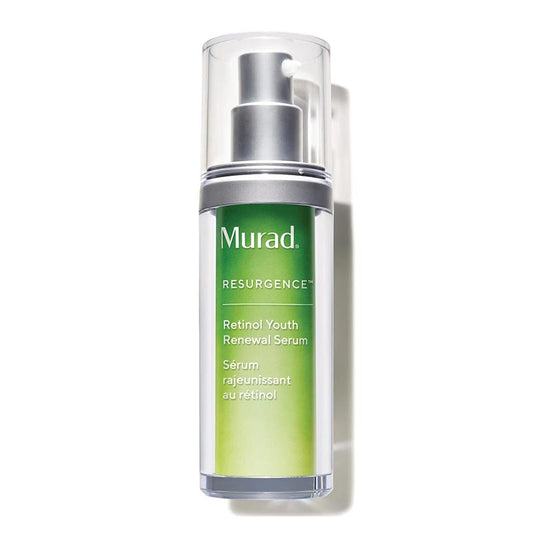
Murad Resurgence Retinol Youth Renewal Serum
Regular price QAR 354,32Regular priceUnit price perQAR 442,90Sale price QAR 354,32Sale -

 SAVE 20%
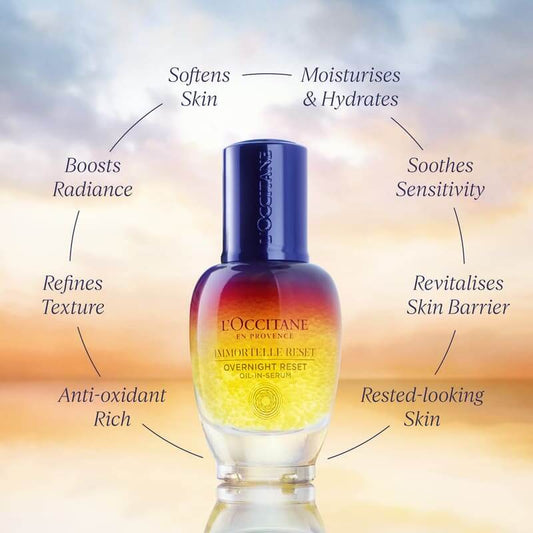
L'OCCITANE Overnight Reset Serum
Regular price QAR 236,21Regular priceUnit price perQAR 295,27Sale price QAR 236,21Sale -
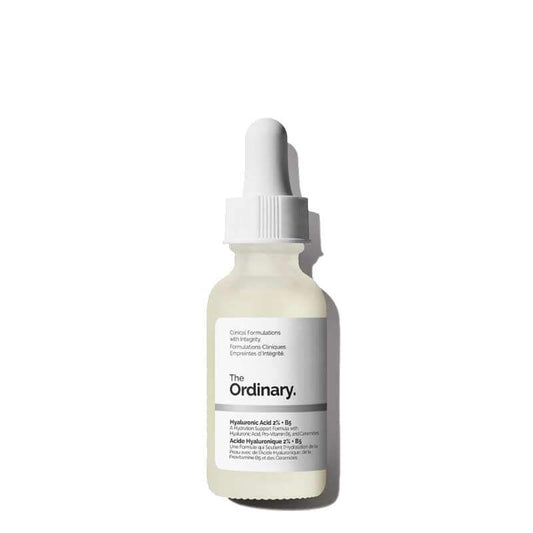
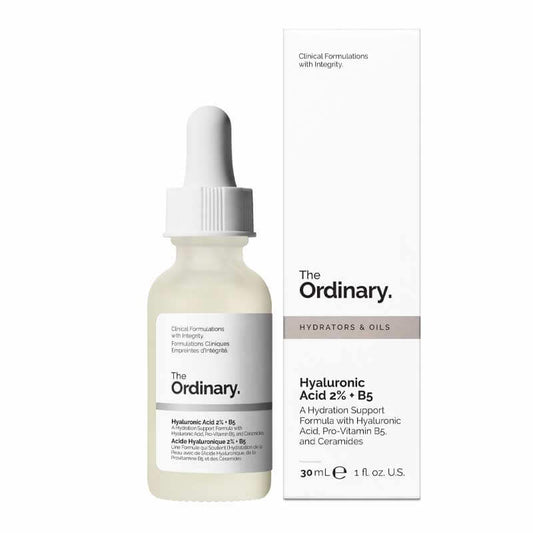
The Ordinary Hyaluronic Acid 2% + B5
Regular price From QAR 40,07Regular priceUnit price per -
SkinCeuticals HA Intensifier Multi-Glycan Hyaluronic Acid
Regular price QAR 472,43Regular priceUnit price perQAR 590,53Sale price QAR 472,43Sale -
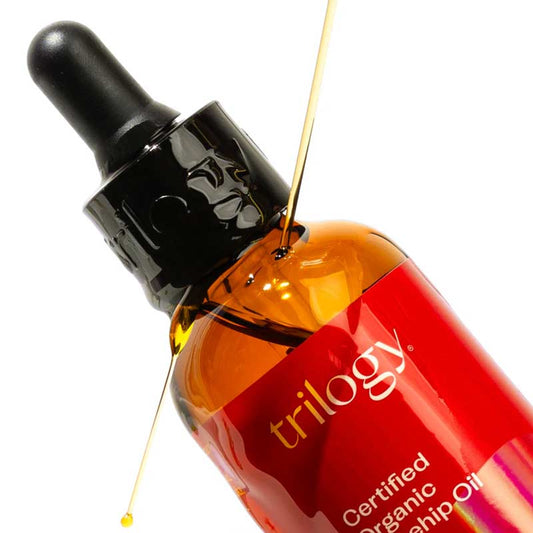
Trilogy Certified Organic Rosehip Oil
Regular price QAR 151,64Regular priceUnit price perQAR 185,60Sale price QAR 151,64Sale -
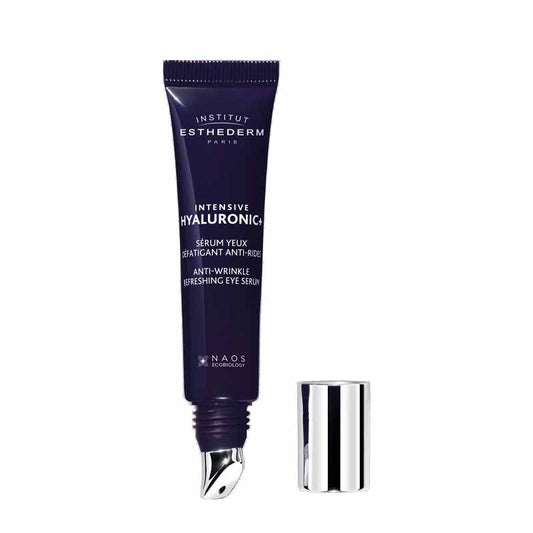
Institut Esthederm Intensive Hyaluronic+ Anti-Wrinkle Eye Serum
Regular price QAR 219,34Regular priceUnit price per -
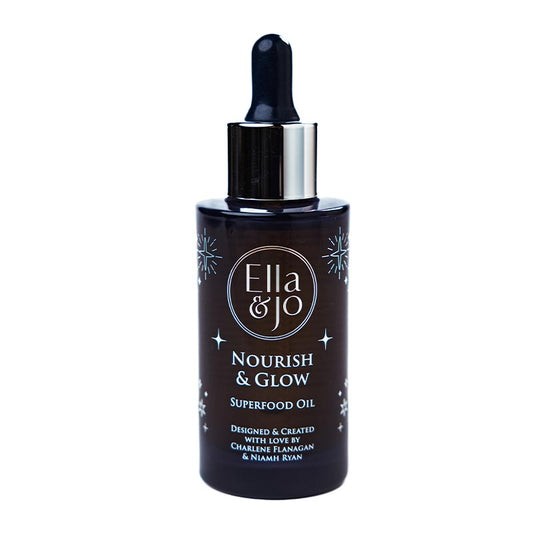
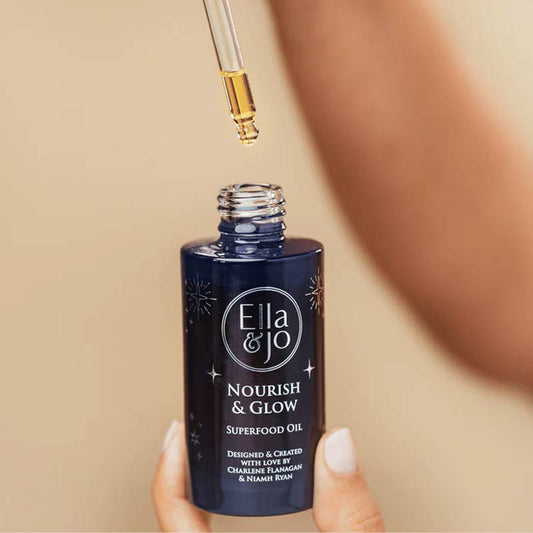
Ella & Jo Nourish & Glow Superfood Facial Oil
Regular price QAR 185,43Regular priceUnit price perQAR 231,78Sale price QAR 185,43Sale -
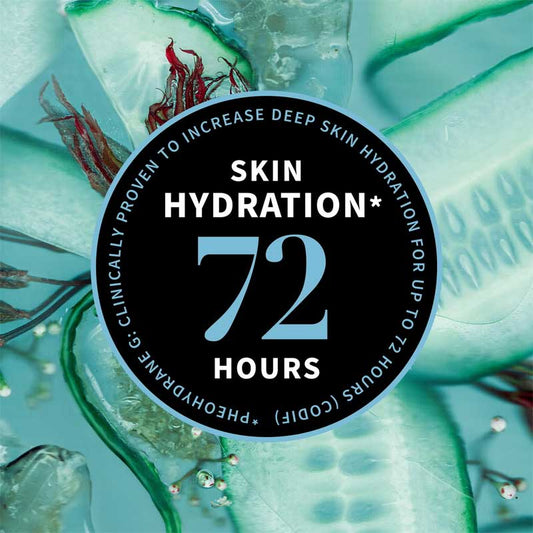
Antipodes Maya Hyaluronic 72-Hour Hydration Serum
Regular price QAR 151,68Regular priceUnit price perQAR 189,60Sale price QAR 151,68Sale -
Emma Hardie Amazing Face Brilliance Facial Oil + FREE Midas Touch Cream 15ml
Regular price QAR 210,69Regular priceUnit price perQAR 253,09Sale price QAR 210,69Sale -
OSKIA Isotonic Hydra-Serum Intense Biomimetic Hydration
Regular price QAR 263,21Regular priceUnit price perQAR 329,01Sale price QAR 263,21Sale -
 SAVE 20%
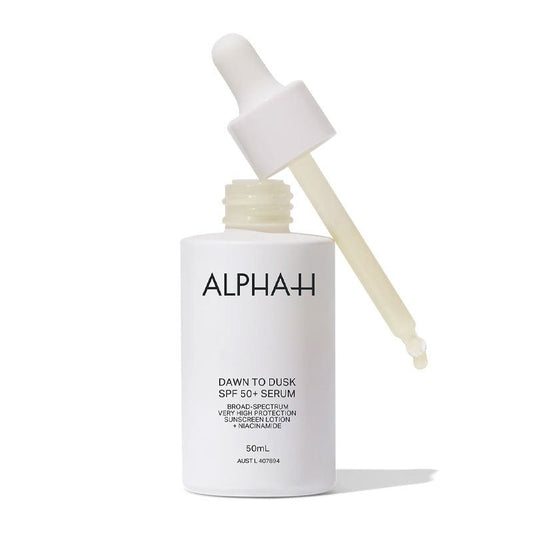
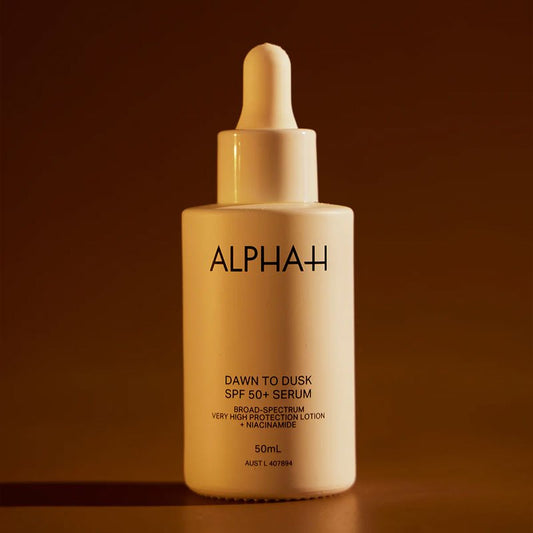
Alpha-H Dawn To Dusk SPF 50+ Serum
Regular price QAR 168,56Regular priceUnit price perQAR 210,69Sale price QAR 168,56Sale -
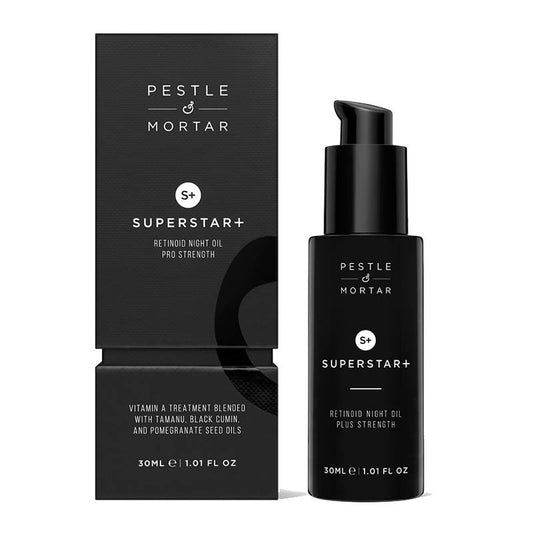
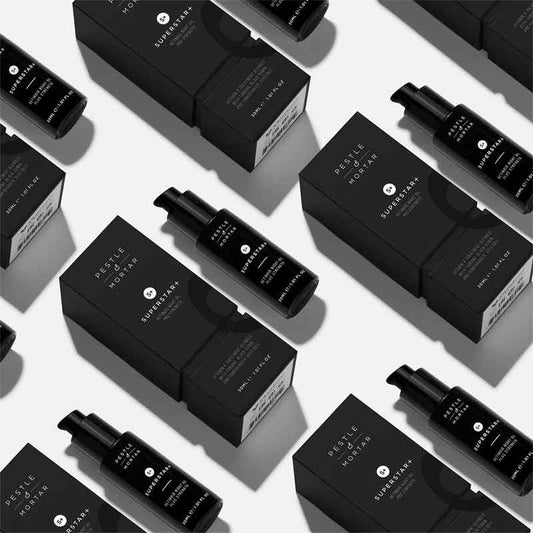
Pestle & Mortar Superstar+ Retinoid Night Oil Pro Strength
Regular price QAR 323,78Regular priceUnit price perQAR 404,73Sale price QAR 323,78Sale -
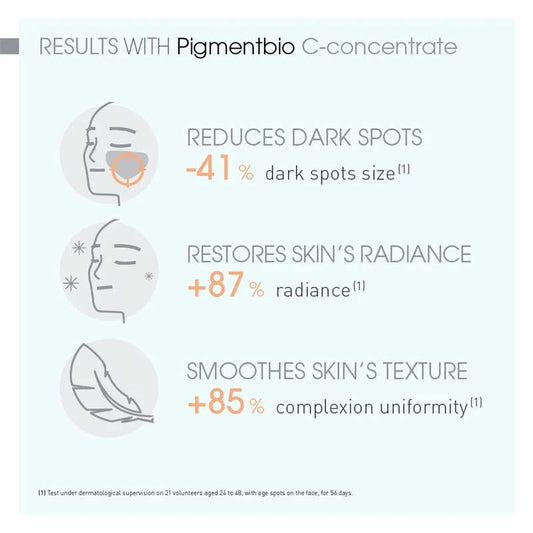
Bioderma Pigmentbio C-Concentrate Face Serum
Regular price QAR 88,41Regular priceUnit price perQAR 126,33Sale price QAR 88,41Sale -

 SAVE 20%
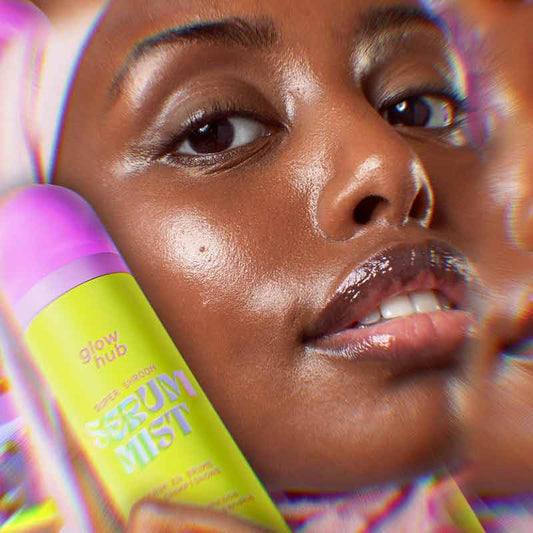
Glow Hub Super Shroom Serum Mist
Regular price QAR 57,20Regular priceUnit price perQAR 71,50Sale price QAR 57,20Sale -
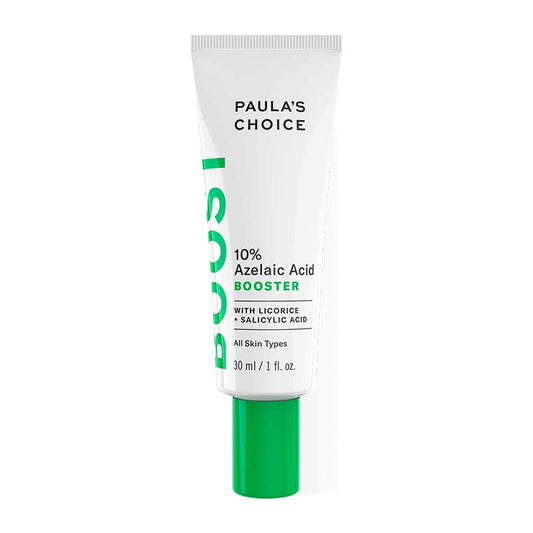
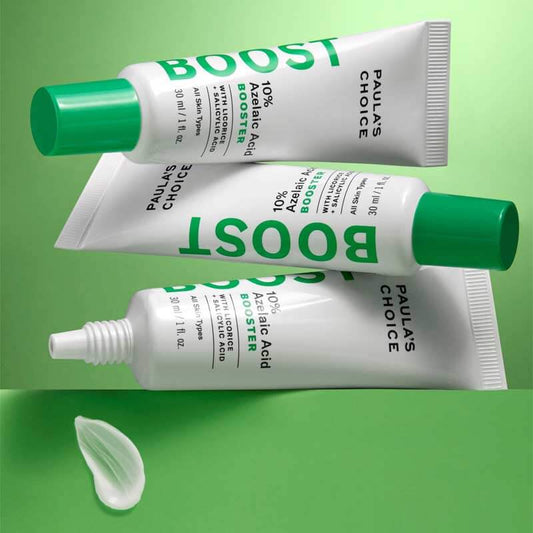
Paula's Choice 10% Azelaic Acid Booster
Regular price QAR 132,11Regular priceUnit price perQAR 165,18Sale price QAR 132,11Sale